


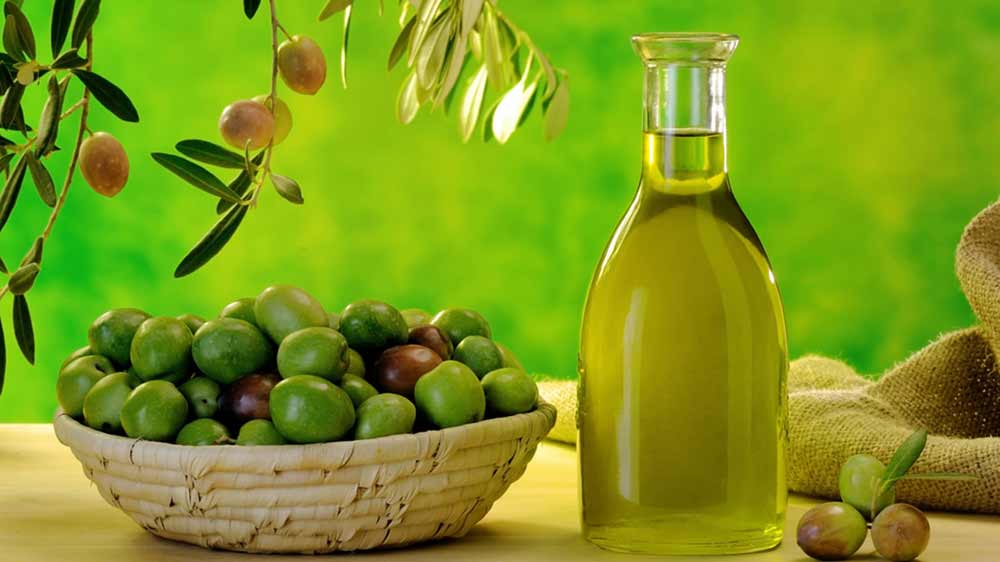
OLIVES AND OLIVE OIL
The Quality of Olive Oil
Olive oil, known as "liquid gold," is a key element of the Mediterranean diet and a symbol of health and well-being. Its quality is determined by several factors, including the olive variety, cultivation process, harvesting, production, and storage.
Key Quality Factors
1. Acidity
Acidity is one of the most crucial quality indicators. Extra virgin olive oil has an acidity level below 0.8%, making it superior. Low acidity indicates that the olives were healthy and processed immediately after harvesting.
2. Organoleptic Characteristics
Aroma, taste, and texture play a decisive role in quality. High-quality olive oil has a fruity flavor, pleasant bitterness, and a light peppery aftertaste.
3. Freshness
Fresh olive oil retains its nutritional properties and unique taste. Proper harvest timing and optimal storage conditions contribute to its freshness.
4. Production Process
The use of cold extraction protects the natural components of olive oil, such as polyphenols, which have strong antioxidant properties.
Benefits of High-Quality Olive Oil
• Health:
Rich in monounsaturated fats and antioxidants, olive oil protects the heart, reduces inflammation, and enhances brain function.
• Gastronomy:
High-quality olive oil elevates the flavors of dishes, offering a unique taste and aroma.
Selecting the right olive oil requires knowledge and attention. Trust certified products and choose olive oils with a Protected Designation of Origin (PDO) or Protected Geographical Indication (PGI) label for authentic quality and flavor.
Global Olive Oil Production
Olive oil is one of the world's most valuable and widely used products, with its production deeply connected to the history, culture, and agriculture of Mediterranean countries. While its origins trace back to the Eastern Mediterranean, today, it is a staple product for many countries worldwide.
Top Olive Oil Producing Countries
1. Spain: Leading global production, accounting for about 50% of the world's olive oil supply. The Andalusian region is famous for its vast olive groves and high-quality olive oil.
2. Italy: Renowned for its premium olive oils, especially from regions like Tuscany and Apulia. Traditional methods and a strong emphasis on flavor make it a significant player in the market.
3. Greece: Although third in production, Greece is a leader in quality. Approximately 80% of Greek olive oil is extra virgin, with top-producing regions including Crete, Messinia, and Laconia.
4. Tunisia & Turkey: These countries are continuously expanding their production, investing in new technologies and quality improvement.
See Map of the Mediterranean at the end of the article.
Global Consumption and Exports
Worldwide olive oil consumption is steadily rising as more countries incorporate it into their diets. Nations such as the United States, China, and Japan are experiencing significant demand growth.
The Future of Global Production
With climate change affecting cultivation, the olive oil industry is shifting towards more sustainable farming and production methods. Research and innovation contribute to improving quality while protecting the environment.
Olive oil remains an integral part of the global agricultural economy and a timeless ambassador of Mediterranean culture.

